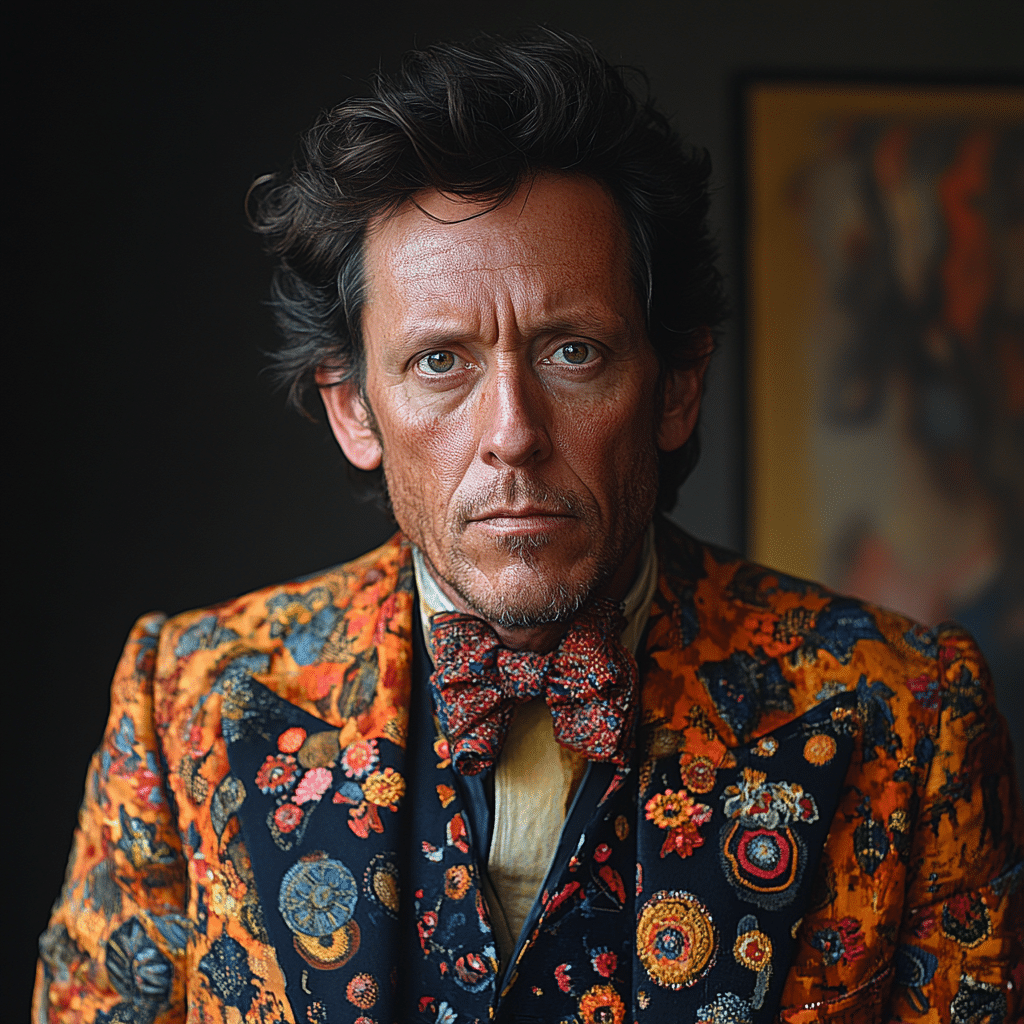
Hunter S. Thompson, an unforgettable figure in American journalism, forged a one-of-a-kind path with his Gonzo style—a blend of fact and fiction that often left readers questioning the boundaries of reality. Known for his outrageous escapades and razor-sharp commentary on society, Thompson’s impact resonates deeply in both journalism and popular culture. Today, we’ll embark on a wild ride through his life, highlighting defining moments that shaped him, influential figures he crossed paths with, and the lasting legacy he left behind. Buckle up!
7 Defining Moments in Hunter S. Thompson’s Life

1. The Birth of Gonzo Journalism
Thompson’s Gonzo journalism took flight in the 1970s, particularly during his zany coverage of the Kentucky Derby. This wasn’t your standard reporting. He took readers on a psychedelic journey, mixing first-person narrative with his wild experiences. This unique approach not only set the bar for Gonzo journalism but also inspired future writers like Sterling K. Brown, who expertly weaves emotional depth into his characters. Talk about a legacy!
2. Fear and Loathing in Las Vegas
Published in 1971, “Fear and Loathing in Las Vegas” captures the pure chaos of the American Dream unraveling at the seams. Thompson’s unabashed examination of the counterculture remains relevant today. It reveals a darker side of excess, much like Craig T. Nelson’s characters that often spiral out of control. His striking imagery and raw honesty made readers rethink their definitions of happiness and fulfillment.
3. The 1972 Presidential Campaign
When it came time to cover the 1972 Presidential campaign for Rolling Stone, Thompson stepped up to the plate with a healthy dose of humor and criticism. He pulled no punches on candidates, particularly George McGovern, exposing the absurdities of politics. This kind of piercing critique mirrors the work of contemporary commentators like Stephen A. Smith, whose takes command attention and stir debates in sports journalism. Thompson wasn’t afraid to shake things up—and that’s what made him a legend.
4. The ‘Hell’s Angels’ Experience
Before he became a household name, Thompson plunged into the gritty world of outlaw motorcycle gangs with his first major work, “Hell’s Angels: The Strange and Terrible Saga of the Outlaw Motorcycle Gangs.” This dive into America’s underbelly marked a turning point in his career, establishing him as a fearless journalist. His embrace of danger inspired countless creators like C. Thomas Howell, whose roles often reflect the thrilling yet risky nature of straying from the norm.
5. Cultural Influencer
Thompson’s influence permeates popular culture, evident in films like “Fear and Loathing in Las Vegas,” where Johnny Depp brought his wild persona to life. His legacy echoes in the performances of modern actors like Michael B. Jordan, who tackle complex social issues, showcasing a boldness reminiscent of Thompson’s fearless narratives. It’s fascinating how the gonzo spirit still thrives, shaping stories that challenge societal norms!
6. Tricorn Legacy in Literature and Media
The eclectic nature of Thompson’s work finds its reflection in various media adaptations and documentaries. These explore the many facets of his life and highlight his complex relationship with fame and ambition. Shows featuring actors like Courtney B. Vance delve into similar psychological struggles, mirroring Thompson’s chaotic journey between brilliance and calamity, particularly in the line of exploiting personal stories as universal truths.
7. Final Years and Lasting Influence
In his later years, Thompson’s candid observations on fame, drugs, and mental health provided insight into his life choices. His struggles remain relevant in today’s artistic landscape where mental health is increasingly addressed. This open dialogue is akin to themes found in shows like “Ed, Edd n Eddy,” which lightly touch on escapism while engaging younger audiences. Thompson’s vulnerability invites conversations we desperately need and urges new storytellers to express their truths.

Reflections on Thompson’s Impact on Contemporary Culture
The life of Hunter S. Thompson is a mirror reflecting the chaotic socio-political vibes of America, viewed through his fearless lens. His audacious style encourages artists today to take risks, seamlessly blending personal narratives with broader social themes. This fearlessness is displayed in the courageous storytelling seen in actors like Sterling K. Brown and Michael B. Jordan, who share authentic narratives that challenge conventions.
Moreover, Thompson’s influence extends beyond journalism, shaping the film and television industries. Acts of rebellion against societal norms, like those captured in his works, are echoed in contemporary cinema and series. The connection between Thompson’s fearless spirit and today’s creative voices illuminates how his legacy continues to foster discussions on truth, excess, and the delightful madness of life. It’s clear that the chaotic beat of the American landscape will keep resonating for generations, just like Thompson intended.
So next time you ponder the boundaries of journalism or the truths of fiction, remember Hunter S. Thompson—the Gonzo legend whose wild life will forever inspire those who chase stories like no other.
Hunter S Thompson: The Wild Life of a Gonzo Legend
A Whirlwind of Influence
Hunter S Thompson, the father of Gonzo journalism, was known for his exhilarating and often reckless lifestyle, reflecting the very essence of the tumultuous era he lived in. The fearless writer didn’t just pen classic works like “Fear and Loathing in Las Vegas”; he embodied the very spirit of rebellion. Interesting tidbit: Thompson had a close friendship with actor Johnny Depp, who famously portrayed him in the adaptation of “Fear and Loathing.” This partnership highlights how Thompson’s extravagant life caught the eye of Hollywood, much like the way actor Michael K Williams captivated audiences with his raw performances. Additionally, his relationship with figures such as Kathleen Kennedy, a titan in the film industry, often hinted at the intersections of creativity and wild storytelling.
The Man Behind the Madness
Thompson’s love for the unconventional was evident in his attire and public persona. Did you know he had a knack for donning the now-iconic milk maid dress at press events? This quirky choice wasn’t just for shock value; it encapsulated his philosophy that life should never be taken too seriously. On that note, his friendships often drew parallels to other unique characters in Hollywood, like JK Simmons, whose diverse roles span movies and TV shows, showcasing that creativity knows no bounds. And let’s not forget how Thompson’s influence seeped into pop culture—his style and bravado have inspired various generations of artists and writers.
Gonzo Legacy
Hunter S Thompson’s legacy is as rich as his lifestyle. He often claimed that America was becoming a compelling blend of chaos and comedy, which resonated deeply in the U.S. cultural landscape of the 1970s. Interestingly, one could see shades of his ethos reflected even in the work of others, including actor Sean Astin—whose roles embody the spirit of perseverance and adventure, reminiscent of Thompson’s own journeys. His infamous run-ins with figures like Jimmy Dean and his raucous accounts of political events paint a vivid picture of the time, all while exploring themes rooted in internal family Systems, showing how personal struggles influence broader narratives. Just like Thompson, many creatives tackle these layers, making their work relatable, authentic, and wholly entertaining.