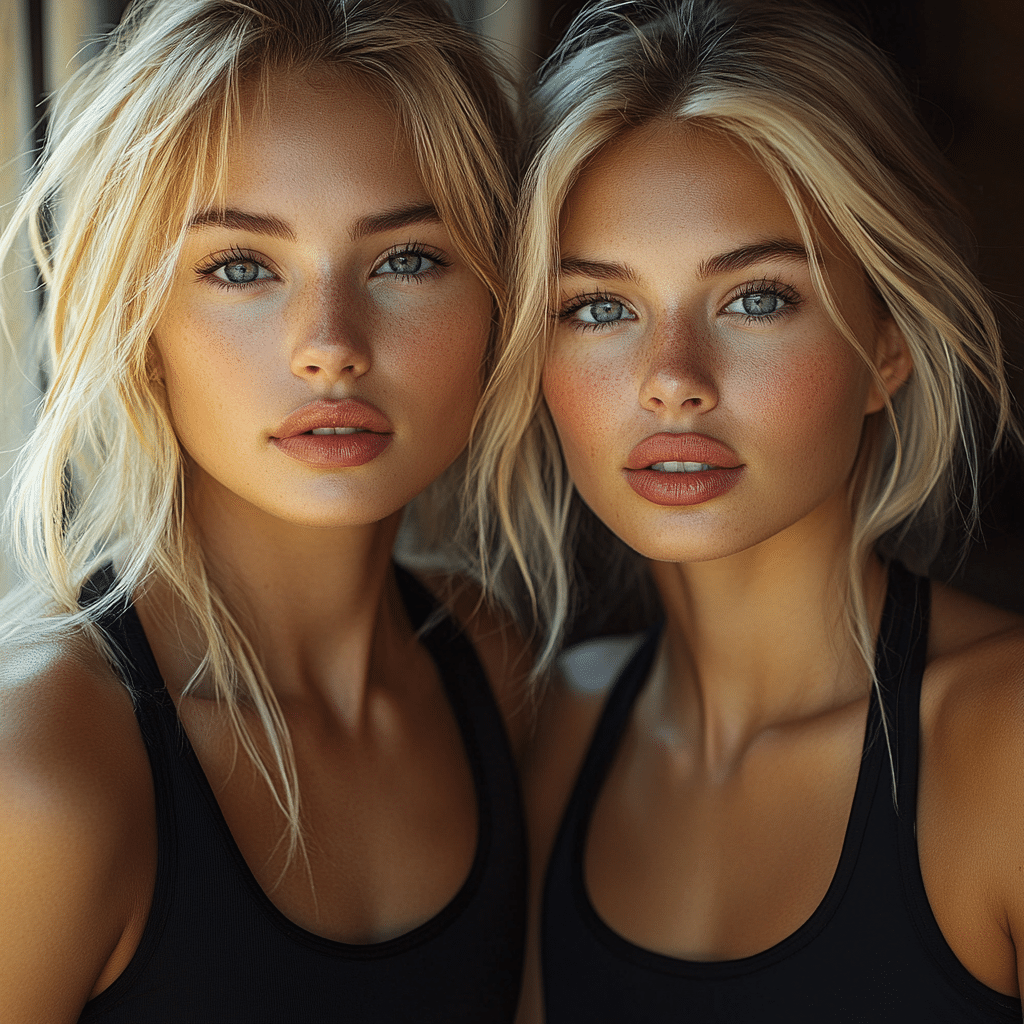
When we think about Hollywood and its cinematic legacy, the image of the blonde bombshell pops into our minds. From Marilyn Monroe to Margot Robbie, blondes have not only captivated audiences but also significantly shaped film history. These iconic moments showcase how the blonde archetype has defined cinematic narratives, influenced societal values, and reflected the cultural zeitgeist. Buckle up, folks! We’re diving into those moments when blondes lit up the silver screen and changed the game!
1. Turning Red: Marilyn Monroe’s Impact in “The Seven Year Itch” (1955)
Let’s kick off with the ultimate blonde icon—Marilyn Monroe. In “The Seven Year Itch,” she stood over a subway grate, her white dress billowing and exposing her legs to the wind, creating one of the most memorable moments in film history. This iconic scene didn’t just establish Monroe as a symbol of desire; it redefined femininity and sexual freedom in the 1950s. It challenged societal norms and encouraged women to embrace their sexuality, reshaping perceptions about what it meant to be a blonde in Hollywood.
Monroe’s character brought a delightful blend of innocence and sensuality, making her the epitome of the blonde bombshell. The allure of her performance combined with her sparkling personality was downright enchanting. Audiences saw her not just as a pretty face but as a woman who confidently owned her desires. Talk about an impactful moment!
And let’s not forget the cultural snowball effect of her portrayal—blonde heroines began to emerge in Hollywood, showcasing similar bravery and boldness. Monroe persuaded future generations that being a blonde could mean much more than just glamorous looks; it could be about strength and empowerment.
2. Shades of Blue: Grace Kelly’s Royal Ascendancy in “Rear Window” (1954)
Next up, we venture into the elegance of Grace Kelly. Often touted as the epitome of grace and sophistication, Kelly’s portrayal in Alfred Hitchcock’s “Rear Window” added a splash of vibrancy to the narrative. Dressed in royal blue, her outfit not only made her a style icon but also complemented her character’s intricate depth. The color enhanced her allure while highlighting her poise, demonstrating how blondes could wield both style and substance on screen.
Kelly exemplified how costume design plays a critical role in storytelling. The royal blue ensemble in “Rear Window” is a striking example of how visual elements elevate a character’s identity, making them memorable. From that point on, filmmakers took notes! The thoughtful use of color palettes became a staple, helping to shape the visual language of cinema.
At a time when female characters often played second fiddle, Kelly’s strong, intelligent character paved the way for future blondes who craved more than just a pretty picture. She embodied the notion that blondes could be layered and textured, adding more depth to women on screen while forever altering our perceptions.
3. Pretty in Pink: Molly Ringwald’s Rebellion in “Sixteen Candles” (1984)
Fast forward to the ’80s, where Molly Ringwald took teen angst to a whole new level in “Sixteen Candles.” As Samantha Baker, her character navigated the throes of adolescence, capturing the essence of teenage struggles and identity crises. She donned bubblegum pink attire—an emblem of rebellion during an era marked by strict social expectations. Talk about relatable!
Ringwald’s performance resonated with a generation that championed authenticity over superficiality. As a blonde, she broke free from the classic mold, showing that being pretty didn’t require sacrificing depth or complexity. She depicted the nuances of growing up, and by doing so, she built a bridge for future films exploring genuine teenage experiences.
In a world where blonde stereotypes abound, Ringwald turned the tables. She made it okay for girls to be vulnerable, awkward, and, most importantly, real. It’s safe to say that her journey paved the way for today’s characters—those who, like Samantha, aren’t afraid to stand out and embrace their true selves.
4. Sky High: Reese Witherspoon in “Legally Blonde” (2001)
Now, let’s flip the script with Reese Witherspoon as Elle Woods in “Legally Blonde.” This was a cinematic game-changer! Rather than conforming to the stereotype of a shallow blonde, Elle displayed fierce ambition and intelligence as she tackled Harvard Law School head-on. Her vibrant pink wardrobe represented more than just fashion; it symbolized confidence and capability. She didn’t just exude style; she embodied tenacity.
Witherspoon’s performance challenged the misconceptions of blondes being just a pretty face. She showcased that brains and beauty can coexist—a revolutionary concept at the time. The film’s theme of empowerment resonated widely, inspiring countless girls to pursue their dreams, no matter how unconventional.
Elle Woods cemented her place in pop culture thanks to that infectious creativity, wit, and determination. The impact of “Legally Blonde” stretches far beyond its runtime, as it continues to inspire new narratives, encouraging future generations to embrace their unique qualities and capabilities.
5. Cobalt Blue: The Artistic Expression of Nicole Kidman in “Moulin Rouge!” (2001)
We’re changing gears again—let’s talk about Nicole Kidman in “Moulin Rouge!” Her performance as Satine brought forth a mix of tragedy and allure, matching her striking cobalt blue dress during the iconic “Your Song” performance. This moment marked a departure from traditional portrayals of blondes. She portrayed depth and emotion layered beneath her glamorous exterior.
The film’s color choices amplified the storytelling, with blue symbolizing a myriad of emotions—nostalgia, longing, and passion—qualities that showcased Kidman’s incredible range. Her portrayal helped reframe how blondes are perceived in musicals, emphasizing artistry entwined with emotional narratives.
In a dizzying world of colors and chaos, Kidman’s character was both a dreamer and a realist, capturing the hearts of many while redefining the role of the blonde in the cinematic musical universe. It’s a brilliant reminder of how color can speak volumes, even when words fall short.
6. The Reinvention of Blonde: Margot Robbie in “Once Upon a Time in Hollywood” (2019)
Fast forward to more recent times with Margot Robbie embodying Sharon Tate in Quentin Tarantino’s “Once Upon a Time in Hollywood.” Robbie’s portrayal captured both the allure and tragedy behind Tate’s life—a poignant reminder of Hollywood’s darker side amidst its glitz and glamour. She brought warmth and innocence to the screen while simultaneously drawing attention to the complexities of fame.
This blonde representation rekindled interest in Tate’s legacy while also sparking discussions about beauty, vulnerability, and the often-limited roles women are given. Robbie’s performance offered layers—shining a light on the fragility beneath the glam.
By blending cultural references with the echo of a tragic past, Robbie highlighted the duality of Hollywood—filled with both dreams and nightmares. It paved the way for future films to embrace the multi-faceted characteristics of blonde characters, ensuring they aren’t just side-kicks but central figures in their own narratives.
7. Blondes Beyond Ego: Britney Spears in “Crossroads” (2002)
Last but certainly not least, let’s not overlook Britney Spears in “Crossroads.” Though iconic mainly for her pop career, this film showcased her acting chops while diving into themes of self-discovery and friendship. The classic blonde icon, Britney’s performance was relatable—capturing the turbulence of adolescence and the excitement of finding one’s voice.
Her role linked the music and film worlds, showing how blondes could seamlessly bridge different cultural spheres. Audiences connected with her character’s relatable struggles of growing up, making “Crossroads” a significant piece of pop culture.
The film’s exploration of empowerment and friendship resonated deeply, shedding light on the importance of personal connections during tough times. Britney’s portrayal in “Crossroads” became a significant moment in both music and film, reinforcing the idea that blondes can tackle profound narratives beyond just their looks.
Daring to Transform
The legacy of blondes in film history runs deep, reflecting and challenging societal standards with every cinematic moment. From Marilyn Monroe’s bold sexual liberation to Margot Robbie’s nuanced portrayal of Sharon Tate, each iconic moment has left a unique mark. By defying stereotypes and exploring deeper narratives, these blonde icons have shown us the versatility and strength behind the golden locks.
As we glance towards the horizon, the world of cinema will continue to evolve. Expect the blonde archetype to inspire new generations of storytellers, navigating themes of identity, resilience, and ambition. Who knows? The next iconic moment may just be around the corner, ready to captivate us all!
And speaking of captivating, if you’re itching to know more about pop culture phenomenons, check out our features like Where Is White lotus season 2 filmed or have a good laugh with our insights on Ihob.
As blondes continue to grace our screens, they remind us that there’s much more beneath the surface—giving us moments in film history that are well worth celebrating!
Blonde: Iconic Moments That Shaped Film History
The Lasting Impact of Blonde Bombshells
When you think of Hollywood’s classic ‘blonde’ icons, names like Marilyn Monroe and Grace Kelly come to mind. These ladies not only redefined beauty standards but also changed the film industry forever. Their performances were often laced with an irresistible charm that captivated audiences, creating unforgettable moments that set the stage for future films. For example, Monroe’s iconic “Diamonds Are a Girl’s Best Friend” performance in Gentlemen Prefer Blondes left an indelible mark. Interestingly, you’ll find parallels in unexpected places, even in pop culture like Thomas The Train, showcasing how significant figures influence all genres of entertainment.
Blondes in the Spotlight
Did you know that the idea of a ‘blonde’ in films often relates to innocence and seduction? This trope has given rise to unforgettable characters throughout cinematic history. One of the standout moments is from Pretty in Pink, where the fashion choices of its leads, including the stunning use of pink, shaped teen culture in the 80s. The film became a touchstone for how a character’s style could represent social dynamics. Just like how Facebook mastermind Zuckerberg faced scrutiny over his image, these blonde characters have clashed equally with societal norms, asserting their identities and influence.
Beyond the Makeup and Glamour
The influence of the ‘blonde’ aesthetic extends into modern storytelling, connecting various genres including animation. Blondes have spiced up everything from drama to comedy to even anime, as seen with characters in the WcDonald’s Anime that cleverly satirize fast food culture. Similarly, the team dynamics in Kuroko’s Basketball showcase worlds that involve diverse character representations, allowing for richer narratives. Even on the marriage front, stars like Christine Baumgartner remind us how personal lives can become intertwined with public personas, further reflecting the nuances of what it means to be blonde in today’s cultural landscape.
So, as we celebrate these iconic moments that shaped film history, remember that the notion of ‘blonde’ is layered with nostalgia and cultural commentary. From unforgettable performances to reflections on modern society, these blonde icons continue to inspire filmmakers and audiences alike.